
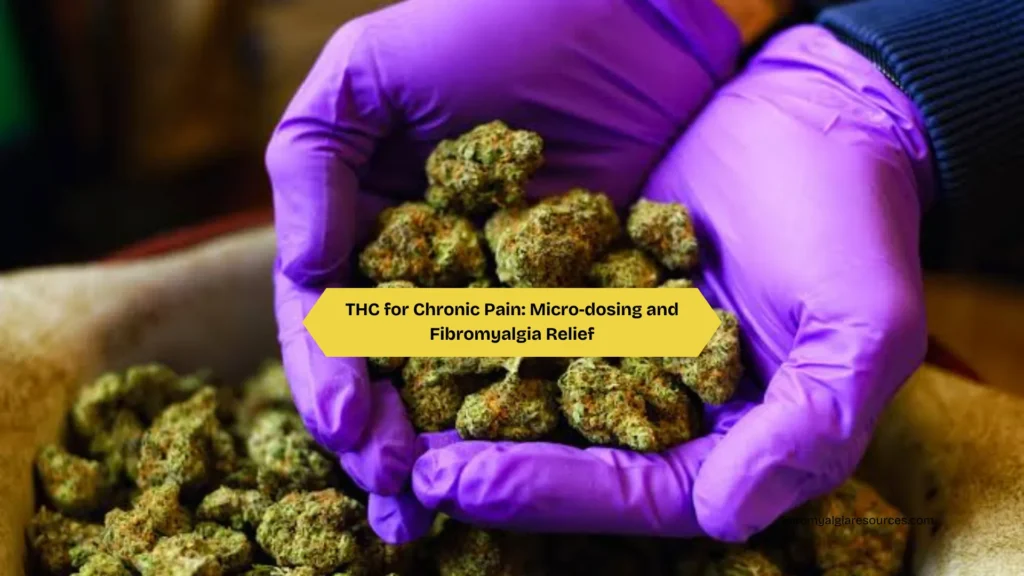
If you live with chronic pain, you’ve probably heard conversations buzzing about cannabis as a possible option for relief. In particular, THC for chronic pain has become a topic of interest among people with long‑term conditions like fibromyalgia, back pain, and other persistent discomforts. Many are asking: Is THC good for fibromyalgia? Can small doses make a difference without heavy side effects?
We’ll explore what the research and real‑world experiences are saying about THC for chronic pain, especially micro‑dosing, what products people are using, and how to approach it safely.
What Is Micro‑dosing THC for Pain?
Micro‑dosing refers to taking very low, controlled amounts of THC, just enough to provide relief without strong intoxicating effects. Unlike larger doses that can cause significant euphoria or sedation, micro‑dosing THC for chronic pain aims to tap into therapeutic benefits while keeping you clear‑headed and functional.
People who micro‑dose often report relief from pain, inflammation, stress, and sleep disturbances, all common symptoms in chronic conditions like fibromyalgia.
Why the Fibro Community Is Interested
Fibromyalgia is complex, with widespread pain, fatigue, sleep issues, and sensitivity to various treatments. Many conventional medications provide incomplete relief or cause unwanted side effects. That’s one reason why conversations around THC for chronic pain have grown louder in fibromyalgia circles.
A key question people ask is “is THC good for fibromyalgia?” Some individuals report that small amounts of THC help reduce pain intensity, improve sleep, and calm nervous system activation without the heavy sedation that large doses might bring.
This interest has pushed many in the community to explore different forms of THC products, from oils to pills, seeking balanced relief without impairment.
What Research Says About THC and Pain
Although scientific evidence on cannabis and chronic pain is still evolving, early studies suggest that cannabinoids like THC may influence pain pathways in the body. THC interacts with the endocannabinoid system, which plays a role in mood, pain perception, and inflammation.
Some research indicates that small, controlled doses of THC may reduce pain signaling. It’s important to note that the evidence varies, and results differ from person to person. That’s why many people are trying microdosing THC for chronic pain, to find the sweet spot where they gain relief without drawbacks.
However, THC isn’t the only emerging therapy out there. For example, treatments like rTMS for fibromyalgia (repetitive transcranial magnetic stimulation) show promise in improving pain processing by targeting the nervous system. While rTMS works through brain stimulation, cannabis influences pain perception through the endocannabinoid system, two different but potentially complementary avenues.
Types of THC Products Used for Pain
People exploring THC for chronic pain often experiment with several formats. Each has its own onset speed, duration, and effects:
• THC Oil for Fibromyalgia
THC oil is one of the most common ways people micro‑dose. Oils allow precise dosing, and many prefer them because they can be taken discreetly and adjusted easily.
• THC Pills for Chronic Pain
Pills provide measured and consistent dosage, which helps maintain stable relief. For those who want predictable effects without inhalation, pills can be a strong option.
• Best THC Products for Chronic Pain
There’s no single product that works for everyone, but some of the most talked‑about options include low‑dose tinctures, balanced THC:CBD blends, and edible formats.
• Best THC for Fibromyalgia Pain
Many individuals with fibromyalgia report that balanced products (THC combined with CBD) help more than THC alone. These products aim to soothe pain while reducing anxiety and sleep disruption.
• THC Products for Chronic Pain
From oils and pills to edibles and topical sprays, the variety can feel wide. Always start with a low dose and track your response before making adjustments.
Does Everyone Respond the Same?
No. One of the most discussed points regarding THC for chronic pain is that everyone’s body responds differently. Some people find micro‑dosing transformative, while others see mild or no relief. Some even experience increased sensitivity or anxiety at higher doses.
That’s part of why micro‑dosing has become popular, it focuses on consistency and gradual effects. Rather than trying to “hit hard,” the goal is sustainable relief with minimal side effects.
Safety and Side Effects to Consider
Before diving into THC products, it’s important to talk to a healthcare provider, especially if you’re already taking medications or have underlying health conditions.
Possible mild side effects of THC can include:
- Dry mouth
- Drowsiness
- Lightheadedness
- Altered perception
- Anxiety at higher doses
With micro‑dosing, many people find these side effects mild or nonexistent because the amounts used are very small. Still, caution is key. Start low and go slow.
Tips for Trying Micro‑dosing
If you’re curious about micro‑dosing THC for chronic pain, here are some practical tips:
Start with a tiny dose. Many begin with 1–2.5 mg or less.
Track your experience. Note pain levels, mood, sleep, side effects, and daily function.
Give it time. Effects may build gradually over days or weeks.
Adjust slowly. Only increase if you feel you need more relief.
Stay informed. Laws and quality vary by region and supplier.
Remember that effectiveness depends on your unique body chemistry, pain patterns, sleep quality, and other factors.
Stories From the Fibro Community
Across forums, support groups, and social channels, people share their experiences with THC for chronic pain. Some say a small daily dose helps them wake up with less stiffness. Others feel relief only in the evenings or on days when symptoms spike.
Many emphasize that THC is not a cure, but a tool, one that works best when paired with other supportive habits like sleep management, gentle movement, stress reduction, and nutrition.
Speaking of supportive strategies, cannabis isn’t the only alternative approach gaining attention. Some people explore therapies like rTMS for fibromyalgia, which targets the brain’s processing of pain to reduce symptoms over time. These options highlight how multifaceted pain management can be.
The Bottom Line
So, is THC good for fibromyalgia or other chronic pain conditions? The honest answer: it depends. For many people, micro‑dosing THC offers measurable relief without strong side effects. For others, it’s less impactful. The key lies in careful dosing, mindful tracking, and open communication with a healthcare professional.
If you choose to explore THC for chronic pain, focus on reputable products, start small, and adjust slowly. Combine that with supportive therapies, whether conventional medicine, lifestyle changes, or emerging treatments, for a comprehensive approach to pain management, Chronic pain isn’t easy, but solutions are evolving. Whether it’s lifestyle support, nervous system therapies, or thoughtful micro‑dosing, there are options that might help you reclaim more comfort and clarity in your day‑to‑day life.
FAQ’s
Got questions? Let us answer them.
Does THC help with chronic pain?
Some people find THC, especially in low, controlled doses, helps reduce pain perception and improve overall comfort.
What is micro‑dosing THC for chronic pain?
Micro‑dosing involves very small doses of THC to achieve relief without strong psychoactive effects.
Are THC pills good for chronic pain?
THC pills provide consistent doses, making them a good choice for people who want predictable effects without inhalation.
What are the best THC products for fibromyalgia pain?
Many people find balanced THC:CBD tinctures and oils helpful, but “best” varies by individual.
Is THC oil good for fibromyalgia?
THC oil is popular because it allows precise dosing and may support pain relief when used carefully.