Some days with fibromyalgia feel like your energy is too low while everything else is turned up too high. The pain is constant, exhaustion hits at the worst times, and the brain fog—oh, the brain fog—can make even simple tasks feel impossible. Many describe it as losing their train of thought or staring at a task they should understand but just… can’t. Medications, diet changes, and gentle routines help, but it’s normal to wonder if there’s something more. That’s why many patients and researchers are exploring rTMS for fibromyalgia.
This noninvasive brain-stimulation therapy targets the brain—not just symptoms—offering hope for clearer thinking and less pain. In this guide, we’ll explain how rTMS works, what the research shows, how it may improve fibromyalgia brain function, and how it compares to tools like the Quell device, the Hummingbird device for fibromyalgia, and other assistive devices for fibromyalgia. By the end, you’ll have a clearer picture of how rTMS might fit into your fibromyalgia journey.
What Is rTMS?
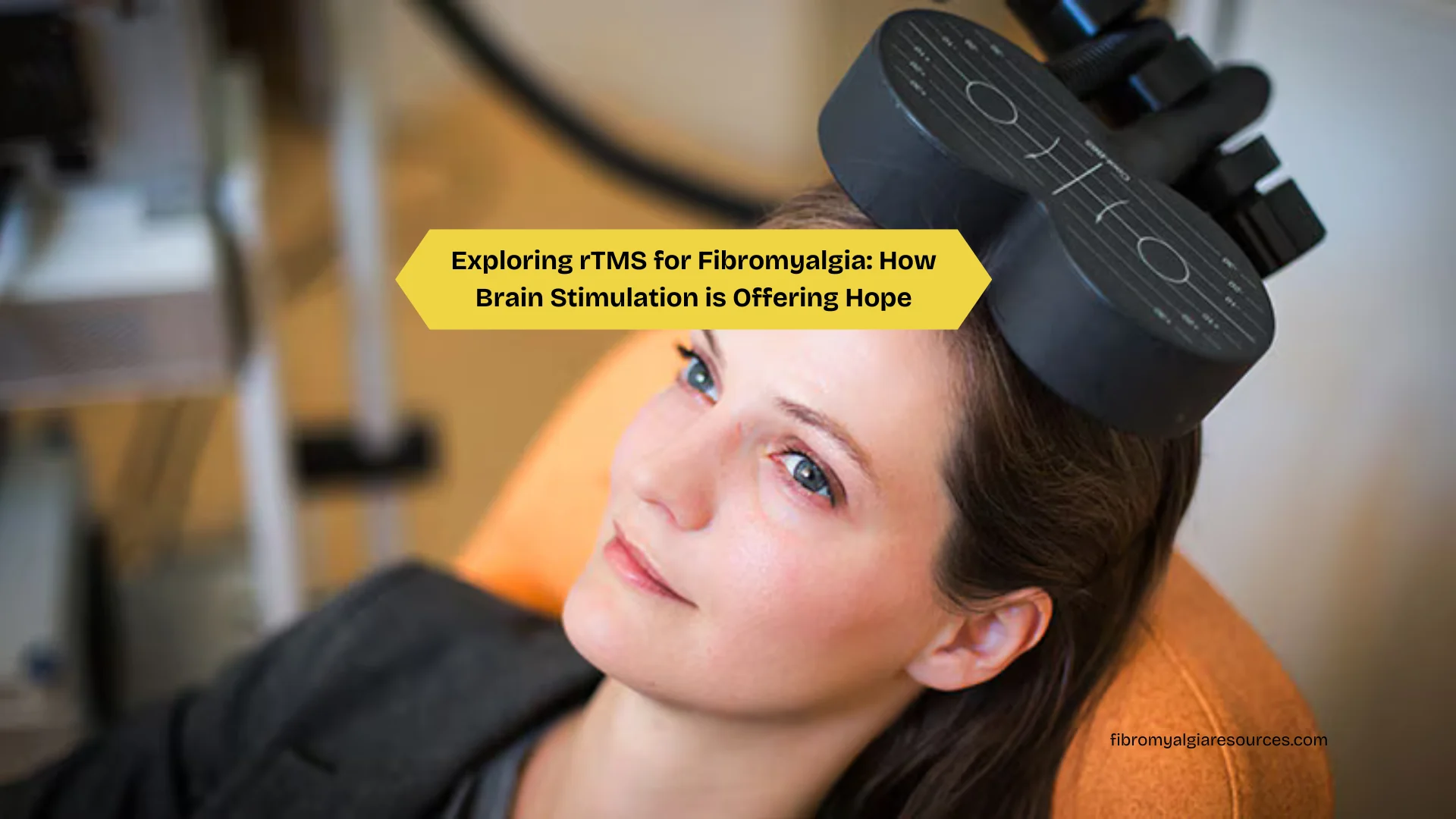
Repetitive Transcranial Magnetic Stimulation (rTMS) is a therapy that uses magnetic pulses to stimulate brain regions linked to pain, mood, and cognitive processing. It is noninvasive, doesn’t require anesthesia, and is performed in a clinical setting.
During treatment, magnetic pulses target specific areas of the brain. For fibromyalgia, providers often stimulate the primary motor cortex and the dorsolateral prefrontal cortex. These areas play a role in pain regulation and mental clarity.
What rTMS aims to do:
- Reduce widespread pain
- Improve mood
- Boost cognitive function
- Sharpen focus and memory
- Support better sleep
Because it acts on the brain directly, rTMS is different from medication. This is why many experts believe rtms for fibromyalgia can help people who don’t respond well to traditional treatment.
Why rTMS Is Gaining Attention for Fibromyalgia
Fibromyalgia involves changes in the nervous system. Pain signals become more intense, and cognitive issues like fibromyalgia and brain fog often worsen over time. Many describe concentration problems as “lights on, nobody home,” or feeling mentally slow. These symptoms are tied to disrupted brain signaling.
rTMS may help by rebalancing the brain’s communication pathways.
Potential benefits include
- Reduced pain sensitivity
- Better emotional regulation
- Improved executive function
- More mental clarity
- Fewer flare-ups
If you want to learn more about unexpected fibro symptoms, you can also read:
Internal link: New alarming symptoms of fibromyalgia
How rTMS Sessions Work
A typical session lasts 20–40 minutes. You sit comfortably in a chair while a magnetic coil rests near your scalp. You may feel tapping or clicking sensations.
Treatment schedule often includes:
- 4–5 sessions per week
- 15–20 sessions total
- Booster sessions if symptoms return
There is no downtime. You can resume normal activities afterward.
What the Research Shows
Studies continue to highlight how promising rtms for fibromyalgia can be. Many trials show improvement in:
- Pain levels
- Sleep quality
- Mood
- Cognitive performance
- Fatigue
Motor Cortex Stimulation for Pain
Targeting the motor cortex helps normalize pain processing. This reduces the intensity and frequency of widespread pain.
Prefrontal Stimulation for Brain Fog
Stimulating the prefrontal cortex helps improve attention, memory, and task-switching. This is why rTMS shows promise for brain fog fibromyalgia.
How rTMS Compares to Medications and Stimulants
Some people rely on stimulants for fibromyalgia to help stay alert or fight fatigue. These can offer short-term help, but they come with side effects and do not target the deeper neurological issues.
Stimulants may help with
- Short-term energy
- Motivation
- Concentration
However, using fibromyalgia and stimulants long term doesn’t fix overactive pain signals.
rTMS may help with
- Long-term pain reduction
- Better brain connectivity
- More stable mood
- Improved fibromyalgia brain function
- Reduced reliance on stimulants
This makes rtms for fibromyalgia a strong option for people who want deeper, more lasting improvements.
rTMS and Brain Fog: A Promising Connection
Brain fog is one of the most frustrating fibromyalgia symptoms. It makes it hard to think clearly, remember tasks, or process information.
rTMS can directly target the brain areas tied to memory, focus, and decision-making.
rTMS may improve
- Working memory
- Word recall
- Concentration
- Task organization
- Cognitive speed
Many patients report clearer thinking within weeks, especially when their fog is severe.
Comparing rTMS to Assistive Devices
Tools like the Quell device for fibromyalgia and the Hummingbird device for fibromyalgia help manage pain by targeting nerves or improving circulation. Many people also use heating pads, massagers, and other assistive devices for fibromyalgia to manage everyday symptoms.
But these tools work differently from brain stimulation.
Assistive Devices Help By
- Reducing local nerve pain
- Improving blood flow
- Supporting posture
- Offering temporary relief
rTMS Helps By
- Rebalancing the brain’s pain network
- Improving cognitive performance
- Reducing overall pain sensitivity
- Targeting fibromyalgia at the neurological level
Many patients combine both approaches for stronger results.
Who Should Consider rTMS?
You may be a good candidate for rtms for fibromyalgia if you have:
- Widespread pain
- Persistent fatigue
- Memory issues
- Trouble focusing
- Poor sleep
- Depression or anxiety related to fibromyalgia
- Limited results from medication
Possible Side Effects of rTMS
rTMS is considered safe. Side effects are usually mild and short-lived.
Common side effects include
- Headache
- Scalp sensitivity
- Temporary fatigue
- Facial muscle twitching
Severe risks are rare, but people with seizures or metal implants near the head should discuss their medical history with a specialist.
How Long Does Relief Last?
Many patients feel better for weeks or months after treatment. Booster sessions help maintain improvements. Some continue long-term therapy because it keeps symptoms more manageable.
Is rTMS Worth Trying?
While rTMS is not a cure, it offers meaningful relief for many people. It can reduce pain, improve mental clarity, and help regulate mood. When paired with supportive devices like the Quell device for fibromyalgia, improved sleep habits, and gentle movement routines, rTMS can help someone regain control of their life.
Because it is noninvasive, safe, and backed by growing research, rTMS is becoming a major hope for the fibromyalgia community. For people struggling with pain and brain fog fibromyalgia, this therapy may open a new chapter of relief.
Lets put this sticker on your car and spread the fibromyalgia awareness. As many people out there don’t consider our illness as being disable, because they don’t know it.

Disability Invisible illess awareness BUMPER STICKER fibromyalgia – stop ther judging you. Click Here to ge this