If you’ve ever wondered, “Is fibromyalgia an autoimmune disease?” you’re not alone. Many people living with fibromyalgia ask this question because the symptoms often feel autoimmune in nature—widespread pain, exhaustion, sensitivity, and unpredictable flare-ups. And honestly? The overlap is confusing. The truth is complicated. Fibromyalgia isn’t currently classified as an autoimmune disorder, but new research keeps shaking things up. Some scientists believe there may be immune involvement, while others argue it’s more of a nervous-system dysfunction. So where does that leave patients?
In this guide, we’ll break down what experts know so far, explore what research is uncovering, and help you understand where fibromyalgia fits in the autoimmune conversation.
Is Fibromyalgia an Autoimmune Disease?
Fibromyalgia shares many symptoms with autoimmune diseases like lupus and rheumatoid arthritis. This overlap is why so many people wonder: Is fibromyalgia autoimmune?
Typical autoimmune symptoms include:
- Fatigue
- Muscle and joint pain
- Cognitive issues
- Digestive problems
- Sleep disturbances
Sound familiar? That’s why the debate continues.
Fibromyalgia vs. Autoimmune Disease: Key Differences
Even though symptoms look similar, autoimmune diseases happen when the immune system accidentally attacks healthy tissue. With fibromyalgia, testing usually shows no tissue damage or inflammation typical of autoimmune disorders.
Here’s a simple breakdown:
Autoimmune diseases typically involve:
- Immune system misfires
- Organ or tissue damage
- Positive autoimmune markers
- Inflammation visible on tests
Fibromyalgia typically involves:
- Nervous system dysfunction
- Heightened pain sensitivity
- No visible tissue damage
- Negative autoimmune markers
So while the symptoms feel autoimmune, the underlying causes look different—at least according to current science.
What Research Says: The Autoimmune Mystery
Researchers continue to investigate the question: “Is fibromyalgia an autoimmune disorder?” And the answers are shifting.
Recent findings from fibromyalgia study autoimmune research show:
- Some patients have antibodies that affect pain signaling
- Immune cells in certain patients behave abnormally
- Symptoms may worsen with immune triggers
- Animal studies show antibody transfer can cause fibro-like symptoms
These findings are exciting because they suggest fibromyalgia may have immune elements, even if it’s not fully autoimmune. Some studies even hint that fibromyalgia may fit into a new category: a neuro-immune disorder.
Why Doctors Still Say “Fibromyalgia Is Not an Autoimmune Disease”
Despite growing research, fibromyalgia isn’t listed as autoimmune because:
- It doesn’t cause permanent tissue damage
- Autoimmune markers are usually absent
- Inflammation is not consistently measurable
- Symptoms are linked more to the nervous system
So when people ask, “Fibromyalgia is a autoimmune disease?” the official answer—at least for now—is no.
But it’s also true that research evolves. What we believe today may look different in a few years.
Fibromyalgia and Autoimmune Disorders: Why They Overlap
Many patients live with fibromyalgia and autoimmune diseases at the same time. That’s where the confusion deepens.
Common overlaps include:
- Lupus
- Rheumatoid arthritis
- Hashimoto’s disease
- Sjögren’s syndrome
This makes patients wonder: “Is fibromyalgia an autoimmune disorder hiding in plain sight?”
The overlap may happen because:
- Chronic inflammation stresses the nervous system
- Autoimmune conditions heighten pain sensitivity
- Immune dysfunction and fibromyalgia share pathways
This connection is also being explored in newer fibromyalgia autoimmune 2025 studies.
Fibromyalgia Autoimmune Diet & AIP: Is There a Benefit?
If fibromyalgia has immune involvement, can immune-focused diets help? Surprisingly, yes—many people report improvements.
Fibromyalgia autoimmune diet basics:
- Reduce processed foods
- Lower sugar intake
- Focus on anti-inflammatory foods
- Add omega-3s and antioxidants
Fibromyalgia autoimmune protocol (AIP) ideas:
- Remove gluten, dairy, soy, and nightshades
- Prioritize whole foods
- Slowly reintroduce foods to spot triggers
While not a cure, these diets may reduce inflammation and support the immune system, which can help with energy and pain levels.
Does Having Fibromyalgia Mean You’ll Develop an Autoimmune Condition?
Not necessarily. Many people live with fibromyalgia for decades without ever developing autoimmune disease. However, since fibro patients have higher sensitivity to immune changes, doctors often monitor them more closely.
If symptoms suddenly shift—like new swelling, rashes, or joint stiffness—your doctor may run autoimmune panels.
What Patients Need to Know
To keep it simple:
- Officially: No, fibromyalgia is not classified as an autoimmune disease.
- Research: Maybe, certain immune pathways appear to be involved.
- Patient experience: Many feel symptoms that look very autoimmune-like.
- Future direction: Scientists continue exploring immune connections.
So when asking, “Is fibromyalgia autoimmune?” the best answer is:
Not yet, but research suggests possible immune involvement.
Fibromyalgia vs Autoimmune Disease: How to Manage Symptoms
Regardless of classification, managing fibromyalgia is all about supporting your body in simple, sustainable ways.
Helpful strategies include:
- Anti-inflammatory foods
- Gentle exercise
- Quality sleep routines
- Stress-reduction practices
- Supplements (as advised by your doctor)
- Tracking symptom triggers
These habits support nervous system function, immune health, and energy levels.
The Bottom Line
Right now, fibromyalgia isn’t considered autoimmune—but the science is evolving. The similarities are real, the shared symptoms are undeniable, and research keeps uncovering new immune-related clues. Whether fibromyalgia eventually gets reclassified or not, understanding these connections empowers you to take better care of your body. Keep learning, stay curious, and work with your doctor to find the best combination of treatment and lifestyle support.
Lets put this sticker on your car and spread the fibromyalgia awareness. As many people out there don’t consider our illness as being disable, because they don’t know it.
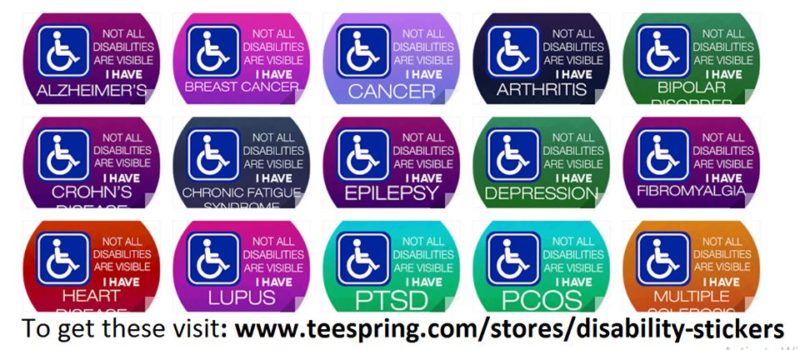
Disability Invisible illess awareness BUMPER STICKER fibromyalgia – stop ther judging you. Click Here to ge this