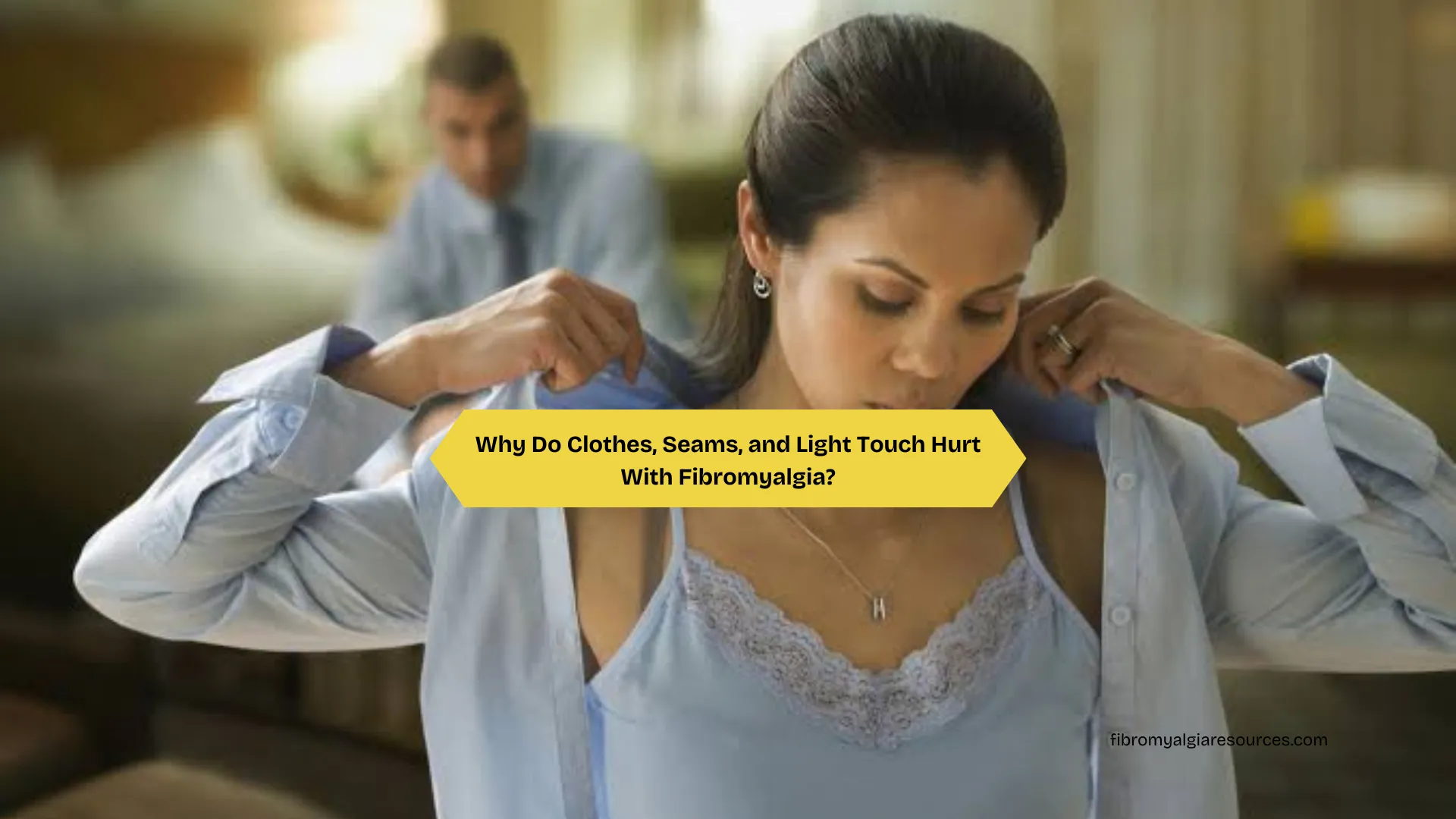
Imagine putting on your favorite shirt and immediately wanting to take it off. The fabric feels rough. The waistband presses against your skin. A tiny seam rubs against your side. Even a gentle touch feels surprisingly painful. For someone without fibromyalgia, that may sound strange. For someone with fibromyalgia, it can be a very real part of the day. The reason comes down to how the nervous system processes sensory information. Fibromyalgia can increase sensitivity to pain, so sensations that normally feel harmless may become uncomfortable or painful. The medical term for pain caused by a normally non-painful touch is allodynia. That can make choosing an outfit feel less like fashion and more like strategy. So why do seams hurt? Why can a soft shirt feel irritating? And what should you look for when choosing clothes for fibromyalgia?
Let’s unpack it.
Why Can Clothing Hurt With Fibromyalgia?
Fibromyalgia is associated with changes in how the nervous system processes pain. Think of your nervous system as a volume control. Normally, a light touch sends a small signal to the brain.
With fibromyalgia, that signal can be amplified.
A sensation that should register as “shirt touching skin” may instead register as “pressure,” “irritation,” or even “pain.”
The National Institute of Arthritis and Musculoskeletal and Skin Diseases notes that people with fibromyalgia have increased sensitivity to pain and may experience tenderness to touch. Research also points to altered signaling in neural pathways involved in pain processing.
That is why clothes for fibromyalgia are not simply about finding softer fabric.
The construction of the clothing matters too.
What Is Allodynia?
Allodynia is one of the most useful words to understand when talking about painful touch.
It describes pain caused by a stimulus that normally should not hurt.
For example:
- A shirt rubbing against your shoulder
- A waistband touching your stomach
- A bra strap pressing against your skin
- Someone lightly touching your arm
- Bed sheets brushing against your legs
- A towel rubbing your skin
The Arthritis Foundation explains that amplified pain signals in fibromyalgia can make ordinary touch or movement painful.
So when someone says, “Even my clothes hurt,” they are not necessarily describing sensitive skin in the usual sense.
The issue may involve how the nervous system interprets the sensation.
Why Do Seams Hurt So Much?
Seams create concentrated pressure.
A flat piece of fabric spreads contact over a larger area. A seam creates a narrow ridge where several pieces of material meet.
If your nervous system is already highly sensitive, that small ridge can become a major source of irritation.
The same thing can happen with:
- Clothing tags
- Elastic bands
- Zippers
- Thick stitching
- Decorative embroidery
- Tight cuffs
- Bra seams
- Sock edges
The problem is not necessarily that the seam is sharp.
It may simply be that your nervous system treats the repeated pressure as a stronger signal.
That is why removing a clothing tag can sometimes feel like an enormous improvement.
Why Does Your Skin Hurt With Fibromyalgia?
A common question is, does your skin hurt with fibromyalgia?
Yes, some people with fibromyalgia experience pain or tenderness around the skin.
But the skin itself may not be damaged.
That distinction matters.
Fibromyalgia can create tenderness and heightened pain sensitivity without an obvious injury to the skin. NIAMS lists tenderness to touch as one of the symptoms associated with the condition.
You may therefore feel as though your skin is bruised even when you cannot see a bruise.
You may also notice that pressure hurts more than expected.
This can make everyday activities surprisingly difficult.
A hug may hurt, a massage may hurt.
Or a shirt may hurt.
Even resting against a chair can feel uncomfortable.
Why Do Muscles Hurt With Fibromyalgia?
The question why do muscles hurt with fibromyalgia has a similar answer.
Fibromyalgia pain is widespread and can affect areas including the arms, legs, back, chest, abdomen, and buttocks. People may describe it as aching, burning, throbbing, or tenderness.
The pain is not necessarily caused by a single damaged muscle.
Instead, altered pain processing can make normal sensations feel stronger.
That can make muscle discomfort feel deeper and more persistent.
It also explains why fibromyalgia pain can move around.
Your shoulders might hurt one day.
Your legs might dominate the next.
The nervous system is constantly processing signals from different parts of the body.
Why Do My Arms Hurt So Much With Fibromyalgia?
If you wonder, why do my arms hurt so much with fibromyalgia, you are not alone.
The arms are among the areas commonly affected by widespread fibromyalgia pain.
Pain may feel:
- Achy
- Burning
- Heavy
- Tender
- Throbbing
- Sensitive to pressure
Clothing can make this worse when sleeves are tight or fabric repeatedly rubs against sensitive areas.
For some people, loose sleeves feel much better than fitted tops.
For others, the problem is not tightness at all. A particular fabric or seam may be the culprit.
That is why personal experimentation matters.
Will Legs Hurt With Fibromyalgia?
Yes, leg pain can occur with fibromyalgia.
NIAMS lists the legs among areas where widespread pain may occur. Some people notice more discomfort around the thighs, knees, calves, or feet. Clothing can add another layer.
Tight leggings may create constant pressure.
Sock bands can leave uncomfortable marks.
Rough fabric can irritate sensitive skin.
Even bedding can become an issue when the legs are particularly tender.
If leg pain is new, severe, one-sided, or accompanied by swelling, redness, weakness, or other unusual symptoms, do not automatically assume it is fibromyalgia. A healthcare professional should evaluate unexplained or changing symptoms.
What Makes the Best Clothes for Fibromyalgia?
There is no single outfit that works for everyone.
Your sensory preferences matter.
However, people who experience touch sensitivity may prefer clothing with features such as:
Soft Fabrics
Look for fabrics that feel smooth rather than rough against your skin.
Cotton, modal, bamboo-derived fabrics, or soft blends may feel comfortable for some people.
Flat Seams
Flat seams reduce raised edges that can rub against sensitive areas.
Tag-Free Designs
Tags can create a tiny but constant source of irritation.
Tagless clothing can eliminate that problem.
Loose or Relaxed Fits
Tight clothing creates more pressure.
A relaxed fit gives your skin more breathing room.
Soft Waistbands
Waistbands can become particularly annoying when you are already experiencing abdominal or hip sensitivity.
A soft, flexible waistband may feel better than stiff elastic.
Comfortable Clothes for Fibromyalgia: What Should You Look For?
When choosing comfortable clothes for fibromyalgia, think about pressure rather than just appearance.
Ask yourself:
Does this fabric feel good after 10 minutes?
A shirt may feel fine when you first put it on but become irritating after hours of contact.
Are there seams in sensitive areas?
Check the shoulders, waist, hips, and sides.
Does the clothing move with you?
Stiff material can create repeated friction.
Does the waistband press into your body?
If it does, try a softer or looser alternative.
You can also choose clothing with simple construction. Fewer decorative details can mean fewer irritating contact points.
The Arthritis Foundation similarly recommends loose, comfortable clothing that is easier to put on and take off for people dealing with pain or physical limitations.
Clothing for Fibromyalgia Doesn’t Have to Look Medical
Comfort does not mean giving up your personal style.
That is an important point.
You do not need to spend every day in oversized sweatpants unless you want to.
You can build a wardrobe around comfort while still wearing clothes that feel like you.
Try:
- Oversized shirts
- Soft joggers
- Relaxed trousers
- Seamless underwear
- Tag-free tops
- Soft dresses
- Lightweight layers
- Stretch fabrics
- Loose sleepwear
Think of comfort as the foundation.
Style can sit on top of it.
What About Fibromyalgia Clothes for Sale?
You will find many products marketed specifically as fibromyalgia clothes for sale online.
Be careful with the label.
A product does not automatically become better for fibromyalgia simply because a seller uses the phrase.
Look at the actual construction.
Check:
- Fabric texture
- Seam placement
- Waistband design
- Fit
- Breathability
- Tag placement
- Return policy
Your own sensory response matters more than the marketing description.
A Simple Clothing Test
Before committing to a new item, try a simple test.
Wear it around the house for 20 to 30 minutes.
Do not judge it immediately.
Walk around.
Sit down.
Stretch.
Move your arms.
Notice what happens.
Does a seam start rubbing?
Does the waistband become irritating?
Do you feel hot?
Does the fabric scratch?
Does pressure build in one area?
If you forget you are wearing the clothing, that is usually a good sign.
If you spend the entire time thinking about the shirt, it may not be worth keeping.
When Clothing Pain May Mean Something Else
Fibromyalgia can cause widespread tenderness, but not every skin sensation should automatically be blamed on it.
Burning, itching, rash, swelling, numbness, weakness, or severe localized pain can have other causes.
Skin conditions, nerve problems, allergies, infections, and other medical conditions can create painful or uncomfortable sensations.
If your symptoms suddenly change or you develop visible skin changes, speak with a healthcare professional.
Your diagnosis should explain the whole picture.
Fibromyalgia Can Affect More Than Pain
Touch sensitivity is just one piece of the puzzle. Fibromyalgia can also affect sleep, energy, concentration, and sensory processing. People may experience sensitivity to light, sound, odors, and temperature in addition to pain sensitivity. That means a difficult day may involve more than sore muscles.
Bright lights may feel overwhelming.
Noise may become exhausting.
A crowded room may feel overstimulating.
And clothing may become one more sensory input your nervous system has trouble filtering.
You can learn more about the broader ways fibromyalgia can affect the body in this guide on the effects of fibromyalgia on your body.
How to Make Clothing More Comfortable During a Flare
A flare can change what feels comfortable.
Your favorite jeans may suddenly feel unbearable.
Your normal bra may feel too tight.
Even socks may become irritating.
On difficult days, simplify.
Choose:
- Loose clothing
- Soft fabrics
- Minimal seams
- Lightweight layers
- Tag-free pieces
- Soft waistbands
- Easy-to-remove clothing
You can also keep a few “flare outfits” ready.
That way, you do not have to experiment with your wardrobe when you already feel miserable.
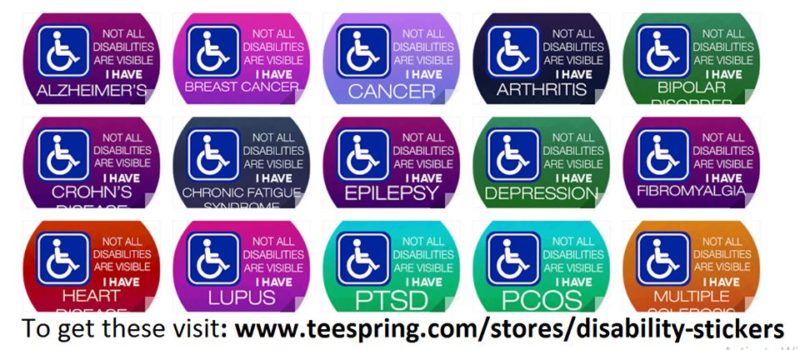
Disability Invisible illess awareness BUMPER STICKER fibromyalgia – stop ther judging you. Click Here to ge this
When Touch Hurts, Listen to the Signal
Pain is your body’s warning system.
With fibromyalgia, that system can become overly sensitive.
The solution is not to fight every sensation. It is to understand what your body tolerates.
Maybe your skin prefers cotton, you hate elastic, tags are unbearable, loose sleeves help your arms, compression feels comforting rather than painful.
There is no universal answer.
Your body gets a vote.
Final Thoughts
The search for clothes for fibromyalgia often begins with a simple question:
“Why does something as harmless as a shirt hurt?”
The answer may involve altered pain processing and increased sensitivity within the nervous system. Fibromyalgia can make normally harmless touch feel painful, a phenomenon known as allodynia. That can turn seams, waistbands, tags, sleeves, and rough fabrics into surprisingly powerful sources of discomfort.
The good news? You have options.
Choose softer fabrics. Try flat seams. Remove irritating tags. Experiment with relaxed fits. Pay attention to what your body likes. And remember: comfort is not a luxury when your nervous system is already working overtime. Sometimes, the right shirt is not just the one that looks good.
It is the one you can forget you are wearing.
Frequently Asked Questions
1. Why do clothes hurt with fibromyalgia?
Fibromyalgia can increase pain sensitivity, so pressure or friction from clothing may feel painful even when the skin is not injured.
2. Does your skin hurt with fibromyalgia?
Yes. Some people experience skin tenderness or pain from light touch. This can happen because the nervous system processes sensory signals differently.
3. What are the best clothes for fibromyalgia?
Soft, loose-fitting, tag-free clothing with flat seams and comfortable waistbands may work well for people who experience touch sensitivity.
4. Why do seams hurt with fibromyalgia?
Seams create concentrated pressure and repeated friction. When pain sensitivity is increased, that pressure can feel much more intense than it normally would.
5. Can fibromyalgia cause arm and leg pain?
Yes. Fibromyalgia commonly causes widespread pain that can affect the arms and legs, along with other areas of the body.