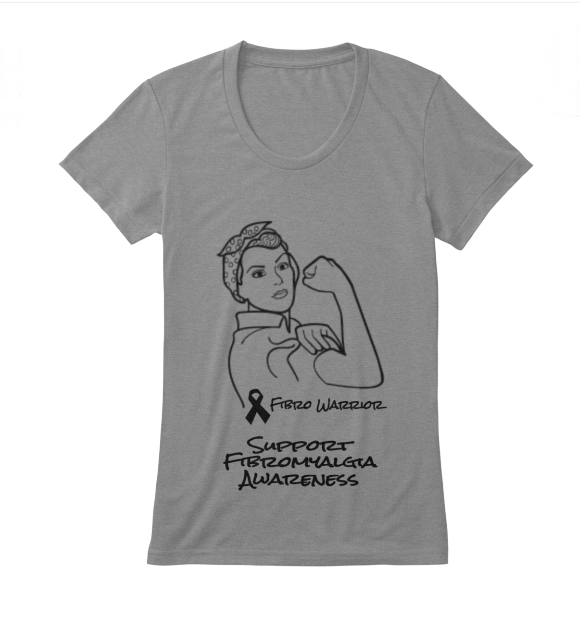
Comorbid Conditions in Fibromyalgia & Chronic Fatigue Syndrome As If One Illness Isn’t Enough!. Ailments that often occur together are comorbid conditions. The two overlapping conditions usually considered are Fibromyalgia syndrome (FMS) and chronic fatigue syndrome (CFS or ME/CFS. FMS and ME/CFS also have a host of other overlapping conditions associated with them. Pain disorders, sleep issues, major depression, nervous system disorders, digestive problems and menstrual problems are included in them.
Fibromyalgia presents an exclusive medical mystery: Its symptoms are so universal; it’s both under diagnosed and misdiagnosed for comparable problems. “Fibromyalgia is a disorder of the central nervous system that causes widespread pain,” “Most frequently people with this long-term sickness are exhausted, have sleep problems, and are overwhelmed with tenderness throughout the body, particularly in the neck, shoulders, arms, back, hips, and legs.”
While the cause of fibromyalgia is unclear, doctors believe the condition may run in families. It’s also roughly seven times more common in women than men. In as many as three out of four victims fibromyalgia goes undiagnosed. Since there are no blood tests or scans to effortlessly diagnose it, a lot of physicians have problem detecting the disorder.
People with fibromyalgia are more liable than others in the common population to have other chronic conditions. Why fibromyalgia frequently coexists with other diseases what’s known as “comorbidity” is still need to be understood by the doctors. Fibromyalgia sufferers often have migraines, autoimmune diseases, irritable bowel syndrome, and depression, anxiety and sleep disturbances.
Having several overlapping conditions isn’t simple, and increases bodily pain and misery. Being well-informed about them will aid us and our therapeutic providers better manage our symptoms, ache and in general health.
Fibromyalgia Awareness Day T-shirt: It is available in different style and colors. We chose this shirts as this year 12 May National fibromyalgia awareness day T-shirt, so lets all wear these and go on the walk that are arranged near you. Click Here to Get This T-shirt
Here are several common medical conditions faced by people who also have fibromyalgia:
1. Arthritis
Although both conditions are indicative of widespread pain and constant fatigue, the two have their differences. Many people have a propensity to think that fibromyalgia is a real form of arthritis, but that is not the reality. As it is characterized by pain, FM does not cause tissue swelling nor does it actually damages the body’s muscles and joints like arthritis are recognized to do.
” In the premature stages of arthritis, this physical injury has not taken its course up till now, so a patient only experiences the excruciating sensations, muscle rigidity, and fatigue that are more in line with FM. Afterward when arthritic symptoms have more developed only then a doctor can exclude fibromyalgia by taking an X-ray. Read More on Arthritis and Fibromyalgia Here
2. Periodic limb movement disorder
Periodic limb movement disorder (PLMD) is similar to RLS. While they’re asleep people with PLMD involuntarily contract their leg muscles about every 30 seconds. Even if this doesn’t wake you up completely, it can disrupt sleep both for you and for your sleeping partner.
The hormonal malfunctions in the brain that come with fibromyalgia could explain why so many sufferers also struggle with digestive issues. Since recent research shows just how closely the brain and the gut are linked, it’s no surprise that abdominal pain, constipation, diarrhea, bloating and chronic nausea the main elements of irritable bowel syndrome (IBS) show up so often.
Any syndrome that causes acute pain or stress in the body will almost certainly exacerbate your fibromyalgia, so don’t ignore IBS symptoms. If you notice changes in your bathroom habits or new and uncomfortable bowel sensations that continue for weeks, it’s time to speak with your doctor.
3. Myofascial pain syndrome
Myofascial pain syndrome is often confused with fibromyalgia, but they are dissimilar conditions. Muscles and connective tissues (which make up the fascia) build up what are called trigger points in MPS. A trigger point is mainly a tiny, firm knot, about the size of a pencil eraser that you may be able to feel beneath your skin. Occasionally the knot itself is tender, especially when you compress it, but it frequently causes pain in another area. Read More Here.
4. Nervous system disorders
Chest pain, Heart palpitations, and possible connection with mitral valve prolapse (heart valves not closing appropriately and sudden drop in blood pressure and other symptoms that sometimes show up alongside FMS.
5. Headache and migraine
Over half of fibromyalgia patients complain of frequent headaches or migraines. Studies show that those who suffer with both fibromyalgia and headaches also experience more severe pain and depression than patients with headache alone. Experts suspect that abnormalities in specific chemical messengers in the brain are to blame for both headache pain and widespread muscle pain (namely, serotonin and epinephrine).
In effect, the body responds to stimulation that’s not normally painful with pain sensations. Sharp sensitivity to light and sound, vomiting, vision problems such as auras or tunnel vision, problem in speaking, and extreme pain that’s stronger on one side of the head are main migraine symptoms. Click Here to Read Daith Piercing relieves Chronic Migraine.
Gulf War syndrome (GWS) symptoms are markedly similar to those of FMS and ME/CFS, including tiredness, musculoskeletal pain, and cognitive problems. Also similar is that symptoms and their severity vary widely from person to person. Read More Here.
Sleep disturbances and fibromyalgia go hand-in-hand. Undoubtedly, the pain of fibromyalgia can make it difficult to fall asleep, but the way the pain manifests during the night can also make it nearly impossible to get a restful, rejuvenating sleep.
Some of the most common sleep problems that occur alongside fibromyalgia include Sleep apnea (when your breathing periodically stops during sleep), Insomnia (the inability to get to sleep and stay asleep), Restless leg syndrome (uncomfortable and uneasy tension in your legs that makes you want to move them around) and Periodic limb movement disorder (when muscles involuntarily contract every 30 seconds or so while you’re asleep). Click Here to read and Try these tips to cope up with sleep challenges
9. Restless Leg Syndrome(RLS)
It is movement disorder that is the cause of uneasiness, unease, and weariness that gets worse when you rest and feels better when you move. It can keep you awake because it’s hard to get comfortable, and the movements can wake you up as well. RLS is not well understood. Read More on RLS and its connection with fibro Here
10. Multiple Chemical Sensitivities
MCS causes the same symptoms as ME/CFS and FMS, but with the trigger being contact to certain chemicals, such as those found in perfumes, adhesives, and cleaning products. Because everyone is exposed to a huge variety of chemicals every day, it can be extremely difficult to identify which ones are causing the problem, or even that the problem is, in fact, MCS.
11. Depression
Unfortunately, depression is incredibly common among fibromyalgia patients up to 70 percent of fibro patients also have depressive periods, and up to a third will experience major depression. Many experts agree that the same central nervous system and neurochemical problems are present in both conditions.
However, depression and fibromyalgia are two separate conditions, and it’s important to separately diagnose each one for better treatment. Although both conditions alter the pain pathways in the brain, neuroimaging shows that the patterns of altered pain processing are different in depression and fibromyalgia. In turn, different treatment might be necessary to alleviate each problem.
Anyone who’s ever battled even a temporary bout of this mentally exhausting and deteriorating disorder knows it’s serious. But for those suffering from melancholy on a constant basis, they may question if there may be a bit more to their diagnosis.
“One of fibromyalgia’s key symptoms is depression, so it’s not uncommon for a person to think they may have FM after months or years of experiencing the debilitating effects of depression. So it’s still more perplexing for patients to know that the two diseases can occur together.” Read More on the Link Between Fibromyalgia and Anxiety and depression here.
In fact, about 20 percent of patients suffering from FM also suffer from an anxiety disorder or depression, reports the Anxiety and Depression Association of America. If you are sure you’re suffering from despair, but are not certain FM could also be at play, speak to your doctor about monitoring your symptoms. Do these 10 things on 1st Jan to Ease Your Depression for rest of year.
Fibromyalgia Lapel Pin: Fibro fighter lapel pin for fibro warriors. Perfect thing for fibromyalgia awareness on this year fibro awareness day. Get it for yourself and friends. Click Here to get this. Limited Offer, 50% Discount for first 500 orders.
More issues with pre-menstrual syndrome (PMS) and dysmenorrhea (especially painful periods) are often reported by women suffering from FMS or ME/CFS. PMS symptoms can include swollen ankles, feet and hands, Mood swings, Bloating and gas, abdominal cramps and Headache.
In about the time when your period starts with dysmenorrhea painful cramps kick in and usually last 1 to 3 days. Cramps can be either sharp and intermittent or dull and achy. Typically, you’ll have PMS during the week before a period.
13. General anxiety disorder
Anxiety is an ongoing problem for many fibromyalgia patients. There are plenty of things about the syndrome that can lead to anxiety. For example, if fibromyalgia costs a person his or her job, economic stress can lead to anxiety. Even if you are able to maintain your work, you may constantly live in anticipation of whether you will be able to wake up and make it to the office tomorrow.
Social anxiety is also common with fibromyalgia. Many fear they will be judged for their illness. Some worry about not being able to keep plans. Even planning vacations can be stressful because you don’t want to lose out on nonrefundable plane tickets or hotel rooms. Thus, what was once fun now seems like a giant to slay?
14. Hypothyroidism
This is a condition caused by a strangely low amount of activity in the thyroid, the gland in your neck accountable for controlling your body’s metabolism. Due to decreased production of hormones, a person experiences low energy, mysterious weight gain, increased sensitivity to cold, slow heart rate, and melancholy, along with other symptoms.
It can be hard to distinguish the two just by analyzing symptoms as countless symptoms of hypothyroidism overlap with those of FM. Your doctor can do a blood test to see if your thyroid hormone levels are healthy.
15. Interstitial cystitis
Interstitial cystitis (IC) is caused by inflammation of the bladder wall. It can be painful and frequently is misdiagnosed as a urinary tract infection. Before they’re diagnosed correctly most people have IC for about 4 years. Women are 10 times more likely than men to develop IC. Urinary frequency, urgency and discomfort, pain during sex and pelvic pain are the major symptoms.
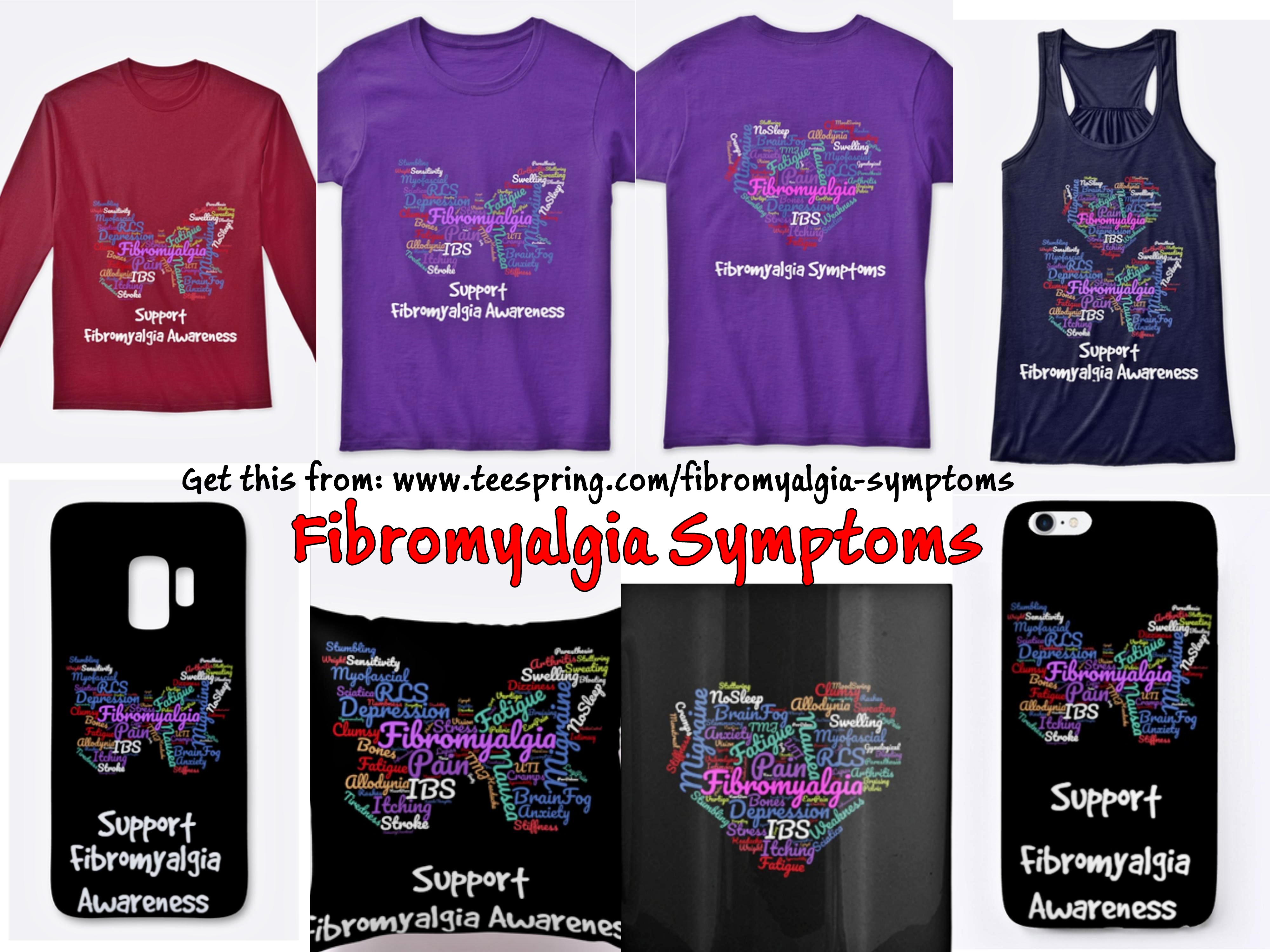
Fibromyalgia Symptoms T-Shirt: A brief list of fibromyalgia symptoms that almost everyone with fibro suffering with. Wear this Fibromyalgia symptoms t-shirt on this fibro awareness day and spread fibromyalgia awareness. Available in different colors, sizes and style. Click Here to Get these.
Medications play a crucial role when it comes to treating chronic pain. There are numerous medications available to help you manage pain. However, every pain patient is different and responds to medications differently. A lot of people may want that their doctors prescribe those non-steroidal anti-inflammatory drugs (NSAIDs) every day, whereas others may need something more effective, such as an opioid.
Over-the-counter medications, such as aspirin, acetaminophen, or ibuprofen, may not be strong enough. The majority of chronic pain patients need prescription medications to cope with pain. Tell your doctor if you take over the counter versions of these medications as those prescription medications may contain acetaminophen or ibuprofen.
Widespread pain is a challenge to understand and treat
We see that in some patients who have central sensitization, treating the peripheral pain generators may results in a decrease or elimination of the widespread pain. Widespread pain is often addressed with medication. It is common for a patient to be given an anticonvulsant, such as pregabalin (Lyrica) or gabapentin (Neurontin), or serotonin-norepinephrine reuptake inhibitors (SNRIs), such as duloxetine (Cymbalta) or venlafaxine (Effexor). These drugs affect the neurons transmitting pain-related signals in the central nervous system. Another possible target in the nervous system is the glial cells. The glia are non-neuronal cells that provide support and protection for the neurons. 90% of the central nervous system (spine and brain) are made up of glial cells. Two cells types, microglia and astrocytes, recently have been found to play a role in pain processing. These two types of cells are stimulated in response to damaged or dying cells. Astrocytes produce inflammation, while microglia initiates both inflammatory and anti-inflammatory activity. Pain-producing chemicals are produced by an inflammatory response in the microglia, adding to the patient’s overall pain. Chronic pain and opioids, such as morphine and oxycodone, can also stimulate the microglia to produce these same pain-producing chemicals.
Acetaminophen risks
As Acetaminophen can be safely combined with a lot of medications, it is generally considered a “safe” drug and isn’t as likely to cause digestive side effects that are common with anti-inflammatory (although it can). More than 100 products contain acetaminophen, either alone or in combination with other drugs. However, acetaminophen overdose has grown into a major problem. As acetaminophen can cause liver failure so they decreased the amount of acetaminophen in the products and required that liver-failure warnings be added to the information contained in packaging.
It’s important to make sure you’re not taking more than the suggested amount and that you’re not taking it in more than one medication in order to avoid accidental acetaminophen overdose. For instance, if you’re taking Vicodin for pain and then catch a cold, you’ll wish that your cold medicine doesn’t contain acetaminophen, too. Many of them do. Be certain to double check any product that’s proposed for pain or decreasing fever. You also need to know that acetaminophen is sometimes called APAP, which stands for acetyl-para-amino-phenol.
Side effects and interactions of acetaminophen
Acetaminophen can cause side effects even if you’re following dosage instructions correctly. The most serious side effects which you should describe to your doctor speedily include allergic reaction (rash; itching; hives; swollen face, lips or tongue), breathing problems, sore throat with fever, headache, rash, nausea or vomiting, problems urinating or a change in your normal amount of urine and unusual weakness or exhaustion.
Is acetaminophen a right medication for you?
Whether acetaminophen-containing products are right for you or not, you should discuss this with your doctor. This decision needs to be based on things such as your diagnoses, symptoms, overall health and lifestyle factors. Talk to your doctor about the risks and benefits as well as possible alternatives if you don’t feel an acetaminophen-containing product is helping in reducing your pain.
When taking medications to treat your chronic pain the most significant thing to remember is that you need to be an active member in your own treatment plan. Don’t be afraid to ask questions you have to be your own advocate. You may need to increase or decrease your dose of medication over time or maybe change medications, so it’s necessary that you carefully follow your doctor’s instructions. Also, be on the lookout for side effects. If you notice any new symptoms, tell your doctor immediately. But don’t stop taking your medication unless your doctor tells you to do so.
How to reduce the risk?
You can decrease your risk of acetaminophen-related problems by always taking medicines as given. You should not take more than one acetaminophen-containing product and drinking alcohol while taking acetaminophen should be avoided. You should discuss everything you are taking with your doctor including OTC and short-term medications, so they can spot likely problems with overdose risk or interactions.
Subscribe to our website for Email notification of our new Posts. Like and Follow us on Facebook. Swipe Left to Read more on Fibromyalgia or Click Here …
Science and the general population are exploring new ways of experiencing it as the medical marijuana industry continues to leave its footprint on the field of medicine. Cannabidiol, or CBD, has stepped into the spotlight as a highly-regarded form of alternative medicine and has gained much traction in the medical marijuana industry.
CBD is a cannabis compound that many claim has medical benefits but without the feeling of being high. In fact, it can actually counteract the psychoactivity of THC. This makes it an appealing alternative for treating issues such as inflammation, anxiety, seizures, arthritis, PTSD, epilepsy, and more, for people who want to take benefit of its healing properties without getting “stoned” or resorting to conventional pain medicine.
It’s even being explored for its anti-cancer properties. Further adding to its trustworthiness is the fact that science has suggested CBD can safely be consumed even at high doses.
What are drug tests and what do they check?
Employers perform drug test to check for illicit substances including heroin, cocaine, and marijuana. They are allowed to craft a drug testing policy that meets the organization’s needs as long as it follows applicable law. Employers can make the job candidates to take a drug test and then hire them on a decision based on the results.
In the vast majority of cases, employers abide by the SAMSHA (Substance Abuse and Mental Health Services Administration) guidelines as it keeps them protected in a legal sense. For a considerable length of time Cannabis remains in the system after the psychoactive (attributed to cannabis’ THC content) effects disappear Depending on whom you believe, cannabis can remain in the system anywhere from 25 days to 15 weeks after consumption!
As a consequence, employers utilize a very specific test for marijuana in the urine. For marijuana to identify the drug and THC (also known as THC-COOH) which is marijuana’s main metabolite, an immunoassay with antibodies is used.
How much you should ingest for CBD oil to show up on a drug test?
If a person were to consume anywhere from 1000 to 2000 mg of CBD in a day, that would be enough to result in a positive for marijuana on a drug test. However, it would be a false positive. But if the sample were to experience a GC/MS (Gas Chromatography/Mass Spectrometry) test to confirm if it’s really positive, it would then be found to be negative as those specific tests are more precise and do not discover CBD or other cannabinoids. Still, the risk is there.
And even though it’s a negligible risk, that’s sufficient to make some people not want to drink CBD oil at all for terror that they’ll end up with a false positive. But once more, not all CBD oil contains THC. With the popularity of CBD oil growing day by day, more and more companies is producing CBD oil to meet the demand. While shopping around for CBD oil, you’ll find not just a couple, but several different products, all of which promise quality.
It is not necessary that all of these companies making these oils are honest. In fact, some will go as far as providing inaccurate information of their labels just to make a sale. While examining your labels for information on the CBD oil’s contents and quality is very important, so is doing your investigation on the company itself. The best technique to do this is to check to see if the products have gone through correct testing.
But also look for third-party test reports not just look out for on-site test reports. That way you know that you’re actually getting a high-quality product. Another thing you might want to glance over is the product’s reviews. Are they mostly positive? Or, is there a mix of opinions? Go for the company that creates products that people trust the most.
How does CBD affect drug test?
For drug testing in the age of legal marijuana, what does all of this mean? CBD probably won’t show up on a drug test According to Quest Diagnostics Director of Science and Technology, Barry Sample. “If the product contains only CBD and has had the THC removed, then an individual being tested would not be expected to test positive for marijuana or marijuana metabolite.”
According to the Substance Abuse and Mental Health Services Administration (SAMHSA), the recommended cutoff level of THC is 50 ng/mL to pass a drug test. Most employers and officially authorized services choose to use SAMHSA certified labs as the standard, since it’s more liable to hold up in court. Most CBD consumers won’t have trouble passing a drug test as most hemp oil or CBD products are usually sold with much lower levels of THC (compared to marijuana).
It’s doubtful that CBD products alone would lead to a positive result on a drug test shown by research, it’s important to note that CBD was found to interact with the body’s metabolism of certain compounds. It means that CBD users who also use marijuana may in fact show higher levels of THC for a longer period of time than when using marijuana only.
References:
Can You Fail a Drug Test Due to CBD? via US drug test Center
Will CBD oil show up on a drug test? by Brittney Sanger via Herb
The pain and other symptoms of fibromyalgia are typically prevalent, meaning that they affect lots of diverse joints and muscles in the body. Most of the time, the pain is in tender points located all around the body, which makes even the everyday tasks extremely painful. Persons with fibromyalgia may also suffer with the pain and other symptoms of conditions in some cases that are linked with fibromyalgia, such as fibromyalgia and Morton’s Neuroma.
What is Morton’s Neuroma?
Morton’s Neuroma is a pain condition that affects your feet and toes. A growth of tissue develops in Morton’s Neuroma over one of the nerves running from your feet into your toes. This growth can cause inflammation and pain whenever you use your foot. Morton’s Neuroma typically develops in the space between the third and fourth toes, even though it can also form between the second and third toes. When you walk, the bones and ligaments in the top of your foot press down on this growth, causing pressure and pain.
Signs of Morton’s neuroma
Worsening pain from applying pressure or wearing shoes
Numb or tingling sensations in the toes or the ball of your foot
Frequent urge to take off your shoe and massage your foot
The toes closest to the pain starting to spread
Burning or shooting pain in the toes or ball of your foot
Feeling of a bulge or fullness between your toes
Cramping of the toes or a clicking feeling when you walk
Feeling that your toes are asleep
Feeling like you’re walking on a wrinkled or crumpled sock
Curtailing your activities because of the pain, or your pain becoming worse over time
Causes of Morton’s Neuroma
At this moment, researchers say that the accurate cause of Morton’s Neuroma is not predictable. Most likely, there are a variety of factors that cause this condition to develop- including, but not limited to, conditions such as fibromyalgia. The list of the factors that could probably lead to the development of fibromyalgia and Morton’s Neuroma is as following.
1. Injuries to feet
If you hurt your foot, it can cause you to hold it in a poor or unnatural pose when you’re walking, which can lead to swelling in the nerves.
2. Genetics
There are some individuals that are born with feet that are poorly shaped. People who have low arches, known as flat feet, are much more prone to develop Morton’s Neuroma than other individuals.
3. Wearing shoes that don’t fit
When you wear shoes that don’t fit your feet properly, it can lead to pressure on your feet. This causes swelling around the nerves in your toes. It is thought high heels can contribute to Morton’s Neuroma as high heels cause most of your weight to be shifted onto the ball of your foot. When you participate in repetitive activities that are high impact such as walking, aerobics, and jogging, it can cause a lot of pressure to be placed on the feet- which could possibly lead to Morton’s Neuroma.
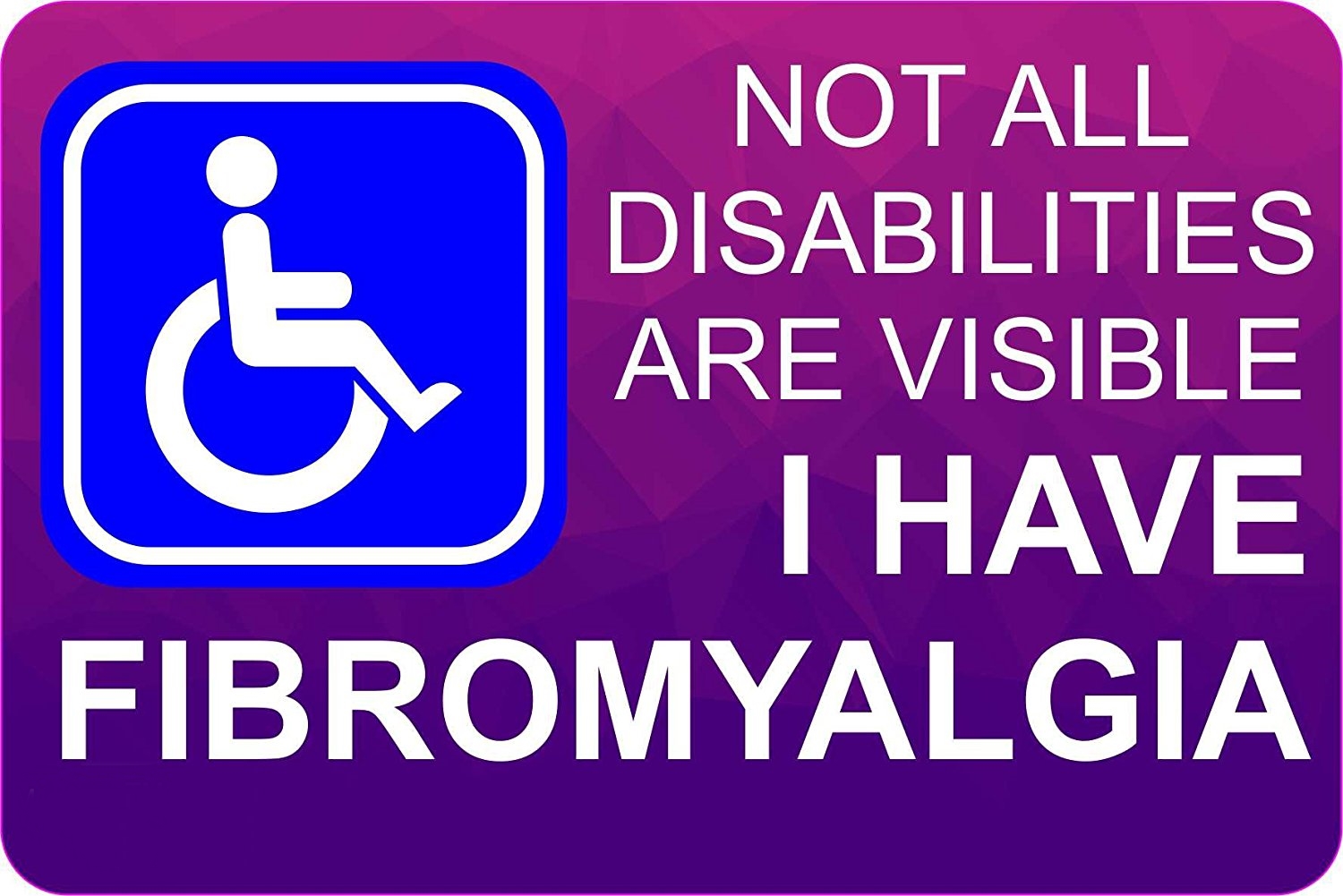
Fibromyalgia Disability Car bumper sticker: Lets put this sticker on your car and spread the fibromyalgia awareness. As many people out there don’t consider our illness as being disable, because they don’t know it. – Click Here to get Yours Fibromyalgia Disability Sticker for you Car
Just as with fibromyalgia, the signs and symptoms of Morton’s Neuroma seem to come and go. Usually, they will be aggravated by wearing a certain type of shoe or by physical activity. Some of the common symptoms of fibromyalgia and Morton’s Neuroma are Sharp pains in the ball of your foot, a burning pain in your second, third, or fourth toes, radiating pain from your foot to the tips of your toes and Numbness in your toes.
Morton’s Neuroma and Fibromyalgia
There have been many orthopedic surgeons and researchers that have found a connection between fibromyalgia and Morton’s Neuroma. However, the reason the two are connected is not known. Still, it has been seen that treating Morton’s Neuroma can also help to reduce or even resolve the symptoms of fibromyalgia. This leads researchers to think that injuries or nerve damage actually could be one of the causes of the pain of fibromyalgia. Morton’s Neuroma is an associated condition that is becoming more and more widespread among individuals with fibromyalgia. This is a condition that is characterized by severe pain in the feet, which makes any type of exercise or other activity that requires them to be on their feet extremely difficult. So far, there are numerous different treatments accessible to relieve the pain.
Morton’sNeuroma diagnosis
In most cases, diagnosing fibromyalgia and Morton’s Neuroma involved your physician physically examining your foot. He or she will also discuss your symptoms with you and look at your feet and toes. He or she will do some manipulation of your toes, squeezing the spaces between and pushing them from side to side. This will allow him or her to see if there are any lumps under the soft tissue of your foot.
In addition, your doctor might eavesdrop for your bones making clicking sounds. These clicking sounds are known as Muldor’s Sign and is very common among those who are suffering from Morton’s Neuroma. Your doctor will want to do an MRI or x-ray in some cases to check for any sprains, fractures, or breaks in your foot.
Treatment of Morton’s Neuroma
People with Morton’s neuroma ought to change their footwear, take painkillers, or have steroid injections. Surgery may be needed in some cases to get rid of the affected nerve or release the pressure on it. Treatment depends on several factors like the severity of symptoms, how long they have been present and whether home treatment has been tried. The earlier the condition is diagnosed, the less likely the person is to need surgery. If symptoms are brutal or constant, and self-help measures do not help, the doctor may advise:
Corticosteroids injections
To reduce swelling and pain a steroid medication is injected. Only a limited number of injections are advised, as there may be side effects. Hypertension high blood pressure and weight gain are some of side effects.
Alcohol sclerosing injections
Studies have shown that alcohol injections reduce the size of Morton’s neuromas as well as alleviating pain. Every 7 to 10 days injections are characteristically administered. Between four and seven injections are generally needed for maximum relief.
But if other therapies have not worked and symptoms persevere after 9 to 12 months, it surgery may be recommended. Surgery is generally helpful, but it can result in everlasting numbness in the affected toes. This is why doctors recommend trying other options first.
Invisible Illness Awareness T-shirt:Most of people don’t believe on fibromyalgia, they say its all in your head. You also have faced such people in your life. Sometime people ask from you about your illness, so that is our time to explain what fibromyalgia is like because they have not experience what we are experiencing. Fibromyalgia is Real, let show this to world by wearing this purple shirt. Get 1 for your friends too and save on shipping. Available in different colors too. Click Here to get this T-shirt
Subscribe to our website for Email notification of our new Posts. Like and Follow us on Facebook. Swipe Left to Read more on Fibromyalgia or Click Here …
Are you suffering from the symptoms of fibromyalgia? You know the chronic pain, fatigue, and mental fog? All revealing signs that you’ve got fibromyalgia, but have you ever thought that maybe it’s not fibro? There are actually a number of other conditions that cause very similar symptoms. For instance, have you ever heard of sicca syndrome?
Sicca, also recognized as Sjogren’s syndrome, is one of these conditions, and it can often be hard to tell apart from fibromyalgia. So what is the syndrome, what are the symptoms, and how can you distinguish it from fibromyalgia?
What is sicca syndrome?
Sjogren’s disease or Sjogren’s syndrome is an inflammatory autoimmune disease. The immune system usually guards the body from microorganisms and foreign invasions by germs. In autoimmune diseases the immune system fails to recognize self from non-self and attacks the body’s own cells.
Sjogren’s syndrome mainly affects glands like the salivary glands in the mouth. In this disease white blood cells called lymphocytes penetrate the epithelium linings of the glands and thus reduce their usual secretions. Patients commonly present with dry mouth, enlargement of the salivary glands and dry eyes.
The disease also affects lungs, kidneys, blood vessels and muscles. Sjogren’s syndrome is also associated with autoimmune diseases like rheumatoid arthritis, scleroderma and systemic lupus erythematosus (SLE).
Symptoms of sicca syndrome
Sicca syndrome can create symptoms that are quite similar to other autoimmune condition. People with sicca can experience a persistent cough or possibly painful skin rashes. But more importantly, sicca syndrome often results in symptoms that are very similar to fibromyaliga.
Fibromyalgia Disability Car bumper sticker: Lets put this sticker on your car and spread the fibromyalgia awareness. As many people out there don’t consider our illness as being disable, because they don’t know it. – Click Here to get Yours Fibromyalgia Disability Sticker for you Car
See, it can result in chronic fatigue, mental fog, and chronic pain. And that of course sounds very similar to the symptoms of fibromyalgia. And another similarity is that both conditions can be hard to diagnose, so you can spend years with aching muscles and fatigue before you even know what you have. Put all that together and it’s quite possible that you could get the two conditions confused.
You could be doing research one day to figure out why you’re always tired and have muscle pains and decide that fibromyalgia is the most likely cause only to find out a year later that you actually have sicca syndrome.
Sicca syndrome Vs Fibromyalgia
Obviously, there are some significant similarities between sicca syndrome and fibromyalgia. But there is also one significant difference between the two conditions that makes it possible to distinguish between them. That’s the truth that it attacks the moisture producing glands of the body.
One of the most common areas that this occurs is the eyes (in the tear duct) which lead sufferers to get dry eyes. And because the tear ducts help protect your eyes, this can get very uncomfortable. It can feel like you’ve got something irritating, like sand, in your eyes which you just can’t seem to get rid of.
You can also find yourself drying out in other areas, like the mouth. Fatigue, as well as dryness of the mucous membranes within the mouth as seen in primary Sjogren’s syndrome is commonly seen in patients with fibromyalgia. Fibromyalgia may present alone or in combination with other diseases like primary Sjogren’s syndrome.
Pain is another symptom that both disorders can cause. If it is from Sjogren’s the pain will typically be in the joints, whereas if it is due to fibromyalgia it can be anywhere, and will especially involve the trunk, muscles, etc. Additionally, Sjogren’s can lead to chronic fatigue, which leaves you feeling tired continuously.
And with that fatigue comes mental symptoms like confusion and trouble remembering basic details like people’s names or where you left your car keys. So, chronic fatigue, muscle pain, and mental fog. Sounds a lot like fibromyalgia, right? That’s why the two conditions get confused so often.
Luckily, there are a few symptoms that make it possible to tell the difference. There’s the obvious fact that Sjogren’s dries out your eyes and mouth, unlike fibromyalgia. And besides dry eyes and mouth, it frequently leads to puffy salivary glands in the mouth which are often tender. It also causes pain in the esophagus, which leads to difficulty swallowing. Finally, Sjogren’s can often lead to coughing fits and even pneumonia.
Treatment
Fortunately, the condition is effortlessly treated with a small number of different medications. First, the easiest treatment method is to use non-steroidal anti-inflammatory medications (NSAIDs). These are things like common over-the-counter painkillers which work to reduce the inflammation that comes with Sjogren’s.
In addition, if these NSAIDs aren’t enough, you can also turn to corticosteroids. Corticosteroids are hormones produced by the body that reduces inflammation. And they can be injected to treat symptoms as well. Finally, doctors often prescribe immunosuppressant drugs to treat Sjogren’s.
The activity of the immune system is slowed down by Immunosuppressant drugs, which is clearly a good option for treating a condition caused by an overactive immune system. But either way, the good news is that thanks to these effective treatments, Sjogren’s is very manageable.
The vast majority of people with the condition live normal, full lifespans. But it’s still important to get treatment as soon as possible, which is why being able to recognize the symptoms is vital.
How can you find and hold a job when you’re unbendable, hurt everywhere, and weighed down by crippling exhaustion and depression? Fibromyalgia can be extremely unbearable, so much so that even the minute task can appear like an impossible obstacle. But we all need to make a living somehow, right?
Fortunately, there are jobs for people with fibromyalgia that permit you flexibility, negligible stress, and helpful working conditions. When you have a chronic pain-causing condition going to work can be difficult. People with Fibromyalgia are more prone to change jobs, decrease their hours, be fired, and retire early than people without the condition.
If you have chronic pain and are in the workforce, you should try to find an occupation that isn’t too physically demanding and allows you to work at your own pace. Sufferers of fibromyalgia often experience other symptoms as well, such as sleep disorders, irritable bowel syndrome, anxiety and depression.
They can also find it difficult to concentrate at work. If you’ve been diagnosed with fibromyalgia and your symptoms are making it hard to get to work every day, consider looking for a position that will allow you to work virtually. Work issues can be among the most difficult to sort out.
Should you stay in your current job despite the suffering or should you make some kind of change? If you are on either end of the spectrum in terms of the severity of your illness, the answer may be obvious. People who are less influenced by CFS or fibromyalgia are capable to continue their full-time working schedule, accommodating to their illness by sleeping on weekends or reducing their social life.
On the other end, some people are so severely ill that they cannot work at all. Disability is relatively common among people with CFS and FM. About a third of people in our initial course report they receive disability benefits.
How to Identify the best jobs for Fibromyalgia Sufferers
Before starting job search, it’s important to have a clear understanding of your capabilities and limitations given your condition. For starters, ask yourself key questions like:
Is your fibromyalgia mild, moderate, or severe?
Are you able to commute, and if so, how far?
How many hours per day can you stand or sit comfortably?
For those in between, here are 7 options to consider.
Online book seller
One method through which you can make decent money with little out-of-pocket investment is selling books online. Initiate on a small level by purchasing a few books at a local library book sale or you can go bigger and attend larger sales, if your symptoms permit. Take a Smartphone with you and look up book values with an app that shows you which are the best-selling books, to determine which ones to buy. If you are able to get out of the house, this is a great source of extra income that you can turn into a career of online selling.
Administrative assistant
Working as an administrative assistant, however, could have its benefits. You might not have to carry out a lot of repetitive movements, except its typing. Also, this position possibly comes with some flexibility it’s vital to be able to move around when you need to take breaks as required.
Merchandiser
Due to the field’s flexibility and autonomy, merchandising and fibromyalgia are a good fit. Retail companies appoint independent merchandisers to make certain that their products are well-represented in stores, by finishing tasks like straightening items and putting out back stock. If you are strictly restricted due to fibromyalgia, you may try to do just a few hours of work per week, and if you’re less restricted, you can add several similar positions together to fill your week. Many companies do not require that work be completed on a certain day or time so the flexibility allows you to accommodate your fluctuating health.
Telecommuting careers are common in this high-tech, virtual age. In many cases, companies hiring virtual workers won’t require employees to be located in the same geographic area. By not restricting yourself to local companies, telecommuting can appreciably expand your options during a job hunt. To work virtually, you’ll need a computer, an Internet connection and phone service, but you might not need to purchase these things on your own. Companies often provide virtual employees with equipment.
Writer
An independent writing position is sometimes a perfect fit for someone with fibromyalgia. Whereas cognition issues might get in the way at times, look for work with independent agencies that permit you to take your time when completing assignments. By working at your own pace, if it takes you all week to write just one article some weeks, you are still getting the work completed. Perhaps the following week, you’ll feel better and can finish more assignments to make up for it.
Inside sales
If you have a friendly personality and get pleasure from helping people, an inside sales career takes customer service to the next level. Inside sales people offer customer help, place orders to manufacturing or delivery centers, and do follow-up work, such as confirming deliveries. A sales position might also suggest flexible work schedules and help you keep away from recurring manual labor tasks that could trigger muscular pain and exhaustion.
Freelance graphic designer
The skills of graphic design are always in high demand. Since most businesses now represent themselves on the Internet, market your abilities to manipulate photos or design web pages to meet their needs. You can market your postcard- or flier-design services to local small business owners to get started. That way, you can control your assignments so that you work only when you feel up to it.
Fibromyalgia Awareness Store: With so many people across the world affected by the pain, fatigue and brain fog of fibro, it is critical we raise awareness of the condition.Along with speaking, lets spread out fibromyalgia awareness with some others means, let the things speak out it self. Like you can have customized T-Shirts, Mugs, Stickers, Pants, Mobile Covers, Socks, Wall Tapestry. Click Here to visit the Store
If you are fighting with pain, you may be thinking about whether or not you fight with a disease known as fibromyalgia. So what are the first signs or early signs of fibromyalgia? This disease has a number of different symptoms, and because of this, it’s important for us to try and understand what the first signs of fibromyalgia are before we make a judgment call on whether or not this may be the problem that we are having.
Fibromyalgia is a condition that causes widespread muscle pain and fatigue. The Arthritis Foundation lists it as one of the more than one hundred forms of arthritis; however the current belief is that the symptoms are caused by an overactive nervous system. For some, it causes mild symptoms while others may be affected quite severely.
Fibromyalgia is an equally challenging disease to diagnose. It cannot be diagnosed through X-rays, scans or blood work; in some cases, patients go for years without any diagnosis. Your doctor can pinpoint the condition based on a physical exam and by tracking your history of symptoms.
In initial stages, your symptoms can be very universal and may appear like signs of other conditions. Understanding what symptoms to look for will help you work with your physician to get a proper diagnosis.
There’s a big issue with this question, and the reason is because fibromyalgia is different for every single person that has it. Obviously, there are some similarities, but different people will start to notice the first signs of fibromyalgia in a number of different ways. It depends on how it manifests in a person’s body, and it depends on how the person takes care of themselves. There are a lot of factors that go into the whole thing, so this question is almost impossible to answer.
2. Pain
It is said that there is one symptom that everybody pretty much has in common. Pain, I know that’s a very general term, but it’s really the only thing that all people with fibromyalgia seem to have in common with one another. The pain can be focused in different places, but most times it is in an area of the body where it would otherwise be unexplained.
It doesn’t make a lot of sense, and it may cause some alarm depending on how badly the pain hurts and how uncomfortable the person is. Clearly, pain can be a trigger for other problems as well, but pain is almost always involved at the initial stages of fibromyalgia.
3. Disturbed sleep
Another classic early symptom of fibromyalgia is feeling like you cannot get a good night’s sleep. Your rest may be disrupted, or you may sleep but wake up feeling unrefreshed. Your body may not have the right balance of chemicals to let your body to enter a condition of deep restful sleep if you have fibromyalgia. Click Here to Read the Tips to coping with sleep issues.
4. Abdominal discomfort
Many people who have fibromyalgia experience various digestive problems that manifest early on with symptoms like Abdominal pain, constipation, or diarrhea, Irritable bowel syndrome and Difficulty digesting or swallowing food. Experts say that sometimes fibromyalgia can cause problems in the muscles of the esophagus. To Read more CLICKHERE.
Fibromyalgia Symptoms T-Shirt: A brief list of fibromyalgia symptoms that almost everyone with fibro suffering with. Wear this Fibromyalgia symptoms t-shirt on this fibro awareness day and spread fibromyalgia awareness. Click Here to Get this
The symptom that you may notice early on in your diagnosis is excessive sweating. For some people, this may be common sense, considering sweating is usually associated with anxiety. Some individuals with fibromyalgia sweat vigorously and may even believe that they have a fever. An autonomic brokenness within the hypothalamus is the cause behind it.
Hypothalamus is the almond-sized zone in the mind that controls rest and manage sweating and other programmed body capacities. The autonomic brokenness causes the increment in sweating, which makes it that much more uncomfortable for the person with the disorder. There are some drugs and lifestyle changes that can keep you cool and desiccated may help with this fibromyalgia side effect; in other cases, you may have to talk to your doctor about how to ease the stress from it. To read more on Fibromyalgia and sweating and its management, click here.
6. Paresthesia
Paresthesia is an unexplained feeling of shivering and numbness that individuals with fibromyalgia may encounter. Often it’s recognized with nervousness or anxiety over the issue and can be joined by quick, profound relaxing. This, in turn, can prompt acroparesthesia, a shivering in the hands and feet from absence of carbon dioxide. Activity can likewise assume a part in treatment. Many fibromyalgia sufferers fight with anxiety as well, so this is repeatedly seen early on in the diagnosis as well.
7. General symptoms
In the initial stages of fibromyalgia, you may start to detect problems with your memory and capability to concentrate. You might find that you are excessively sensitive to noise, light and temperature alteration. They do not automatically point to a diagnosis of fibromyalgia but they are often present in initial stages of fibromyalgia.
8. Tenderness
Tender points are symmetrical points located both above and below the waist and these tender points are used by doctors for diagnosing fibromyalgia. There is increased tenderness in these areas when a flare-up is about to happen. Others may feel these fibromyalgia tender points nearly all of the time.
9. Fibro haze
“Fibro haze,” which is also known as brain drain, is another problem that many people with fibromyalgia may fight with. This is a strong fibromyalgia symptom that leaves many individuals in pain and perplexed. Fibro haze is an incredibly stressful thing to have to deal with.
People who are struggling with this symptom will have a hard time choosing their words, their short term memory is pretty bad, and they may ramble for extended periods of time. They may call people by the wrong name, they may forget where they are and what they are doing, or they may start to feel panicked.
Fibromyalgia Awareness Store: With so many people across the world affected by the pain, fatigue and brain fog of fibro, it is critical we raise awareness of the condition.Along with speaking, lets spread out fibromyalgia awareness with some others means, let the things speak out it self. Like you can have customized T-Shirts, Mugs, Stickers, Pants, Mobile Covers, Socks, Wall Tapestry. Click Here to visit the Store
Fibromyalgia is a disorder characterized by widespread pain and a spectrum of psychological co morbidities, rendering treatment difficult and often a financial burden. Fibromyalgia is a complicated chronic pain condition that requires a multimodal therapeutic approach to optimize treatment efficacy. Therefore, it has been stated that mind-body techniques may prove productive in treating fibromyalgia.
Mindfulness meditation, a behavioral technique premised on non-reactive sensory awareness, attenuates pain and improves mental health outcomes. Though, the effect of mindfulness meditation on fibromyalgia-related outcomes has not been expansively characterized.
The present review delineates the existing evidence supporting the effectiveness and hypothesized mechanisms of mindfulness meditation in treating fibromyalgia-related outcomes. If you have fibromyalgia, you know how difficult it can be to deal with. Fibromyalgia symptoms such as chronic pain and fatigue often make it difficult to go on with your daily routine.
These symptoms can sometimes have disastrous effects on your mood, leaving you feeling hopeless or even depressed. If you are feeling especially stressed out by your fibromyalgia, you may find that meditation can help you restore calmness and vitality to your life.
What is meditation?
Meditation techniques are progressively being used by those with fibromyalgia to deal with their fibromyalgia symptoms and boost their mood. Through meditation, people can quiet their minds, reduce stress, and eliminate worries from their life, at least for a short amount of time.
Meditation usually consists of focusing on the breath or a certain word, sound, or object in order to enter into an altered state of consciousness. Meditation produces feelings of relaxation and rest, and can help people learn how to focus their minds on things other than the trials and tribulations of daily life.
Meditation has been used for thousands of years by many different cultures. It is not known exactly where meditation began, though early practices can be traced to India and the Eastern World. There are numerous different types of meditation, including mindfulness meditation, concentration meditation, and transcendental meditation. Most types of meditation have the same goal to allow a person to achieve mental clarity and a state of extreme calm. Meditation is sometimes used to promote spiritual healing.
Mindfulness meditation
While many forms of meditation can be helpful for controlling pain, the most effective seems to be mindfulness meditation. This type of meditation focuses on awareness of the present moment, with the intention of paying attention to moment-to-moment experiences without judgment.
Numerous chronic pain conditions react predominantly well to a prearranged, eight-week mindfulness-based stress reduction (MBSR) program. In this type of program, a skilled practitioner trains participants in a group setting to bring awareness to sensations, movements, breaths, and thoughts that come and go in each moment. The goal is to simply notice, not to react, to these experiences.
Using meditation for fibromyalgia pain relief
As someone who has suffered from fibromyalgia for almost seventeen years now, I am all too familiar with what it means to live with chronic pain. Most pain medications target inflammation, muscle, and joint pain, but since fibromyalgia stems from sensitivity in the neurological system, pain medications are ineffective against nerve pain.
Even medications prescribed specifically for fibromyalgia, wane in their effectiveness over time as your body becomes immune to them. Pain becomes a part of everyday life, robbing you of sleep and energy. Finding holistic alternatives can make the difference in a day or a lifetime.
One such alternative is meditation. A technique such as meditation gives you a measure of control rather than your pain and health condition controlling you. Meditation and mindfulness techniques are extensively becoming effectual natural treatment plans. Meditation, particular mindfulness techniques, can lead to improvements in pain intensity when compared to standard care for many chronic pain patients. It also might assist in improving pain-related disability, pain reception, feelings of control over the pain, despair, anxiety, and quality of life, right away after treatment as well as at follow up afterwards.
Meditation has recently been shown to be very effective in reducing the stress levels and symptoms associated with fibromyalgia syndrome. If you have fibromyalgia, techniques of meditation can help to improve your sleep patterns and reduce your fatigue. Meditation techniques can also help to reduce your pain levels, as it decreases the levels of cortisol, a stress hormone, in your body. Meditation and mindfulness techniques can lead to improvements in pain intensity when compared to standard care for many chronic pain patients.
It also may help improve pain-related disability, pain acceptance, feelings of control over the pain, depression, anxiety, and quality of life, immediately after treatment. Some specific conditions that respond particularly well include:
Low back pain
An eight-week MBSR program significantly improved back pain in older patients, with sustained improvements even after a three-month follow-up. The majority of patients decided to continue to practice mindfulness techniques after the study because they believe it benefited them substantially.
Migraines
Pain levels for migraine patients can be decreased with mindfulness meditation, as can quality of life, nervousness, and stress. A small study found that these techniques can improve the frequency and duration of headaches as well.
Fibromyalgia
Mindfulness-based therapy can be an effective fibromyalgia natural treatment. Women taking part in an MBSR program experienced considerably reduced symptom severity, as well as decreased stress and sleep disorder. Those who practiced the most at home in between sessions showed even further symptom reduction.
Try yourself
Along with helping decrease pain, meditation and mindfulness can help improve the immune system, treat misery, and more. In its simplest form, a meditation practice can be five minutes a day of sitting quietly and breathing deeply. But if you are actually struggling with chronic pain symptoms, finding a way to integrate a more involved practice into your daily schedule could benefit you enormously. Try finding meditation classes near you, and try out different types to see what suits you. Or, investigate for an MBSR program, where you will learn the tools essential to practice mindfulness techniques on your own to keep your pain under control.
Subscribe to our website for Email notification of our new Posts. Like and Follow us on Facebook. Swipe Left to Read more on Fibromyalgia or Click Here …
There are a lot of unidentified aspects of fibromyalgia that require attention to better help people with this condition. A small percentage of the population has been diagnosed with fibromyalgia. But the actual number could be much higher from undiagnosed cases.
The Centers for Disease Control and Prevention (CDC) estimates that about 2 percent of American adults have fibromyalgia. It’s also most common in middle-aged women; although the reasons for this aren’t know. As it happens with many other chronic diseases, it affects all parts of the population, and that includes, of course, celebrities as well.
It is certain that many people believe that celebrities, who are known to have glamorous lifestyles, are somehow immune to medical issues. But this is not true. The truth is that media only communicates what they want people to know and if there are not any economic interests behind that information, there is a strong possibility that that information does not spread unless they want it to spread.
Fibromyalgia is a chronic condition that affects many people around the world. The true reason for causing fibromyalgia is not known but it is thought that it may have a genetic origin. However, it is important to keep in mind that it is usually an undiagnosed condition because of the many different testing processes patients have to undergo through in order to determine it is not another type of condition.
In reality there are quite a few more well-known people with FM out there who have not up till now made their diagnosis public. Some may be in denial, unwilling to admit it even to themselves. But my guess is that most simply don’t want others to know they have FM because of the negative impact it might have on their careers.
Of course, we in the FM community get excited when we hear of another celebrity who has fibromyalgia not because we want to see anyone else suffer, but because we are confident that someone who is famous can help raise responsiveness for this frequently misunderstood sickness.
There are also some famous people in history who we strongly suspect may have had FM, like Mexican artist Frida Kahlo or English nurse, Florence Nightingale. But as no one actually knew about or diagnosed FM until more recent years, for the purposes of this list, we will stick to modern celebrities who have recognized having FM.
Morgan Freeman is a celebrity that seems to be everywhere, whether he’s acting in movies, playing voices for animated roles, or narrating films. Freeman is also an honest advocate for fibromyalgia awareness. In an interview with Esquire magazine, Freeman discussed not being able to do certain activities anymore, such as sailing, due to his fibromyalgia. Yet he wanted readers to know that the condition isn’t all gloomy. He stated, “There is a point to changes like these. I have to move on to other things, to other conceptions of myself. I play golf. I still work. And just walking the land make me pretty happy.” With fibromyalgia life doesn’t stop, and Freeman requests others to know this. Read More detail article on himHERE
Jo Guest
(English actress and TV host) Ms. Guest began her career modeling and has appeared in several adult magazines. She was a guest on the British TV show This Morning in January 2008, where she discussed a mystery illness which left her not capable to work. Three months later, she returned to the show and reported that she had been diagnosed with fibromyalgia as a direct result of help from viewers who had seen her previous appearance.
Janeane Garofalo
Janeane Garofalo has made audiences laugh at her dry sense of humor and sarcasm. While Garofalo has covered a wide range of topics over the years, her health has taken center stage recently. She hasn’t been widely quoted in interviews or other more formal contexts. But she talks about her fibromyalgia as a part of her stand-up act. In 2009, she told her audience, “I had no idea I was chronically dissatisfied,” in reference to her new treatment involving antidepressants. It’s significant to keep an optimistic outlook when dealing with fibromyalgia. And as Garofalo demonstrates, it may also help to laugh it off once in a while.
Susan Flannery
(American actress) Ms. Flannery is best known as one of the original and current cast members on the popular TV soap opera The Bold and the Beautiful. In 2007 she made headlines when she asked the show for medical leave so she could try to treat her fibromyalgia.
Sinead O’Connor
Despite her talent and Grammy-winning record, in 2013 O’Connor abruptly declared she was quitting the music business. She attributed her departure to severe pain and fatigue due to fibromyalgia. At first, O’Connor was quoted as saying that her career in music was to blame. “It rendered me invisible. Murdered my soul, I’m never going back to music,” she announced.
Mary McDonough
(American actress) Most of us would recognize Ms. McDonough as Erin Walton from the long-running hit TV drama series The Waltons. She suffered with pain, fatigue and numerous other symptoms for 10 years before finally being diagnosed. In addition to fibromyalgia, Ms. McDonough has also been diagnosed with lupus and Sjogren’s syndrome.
A.J. Langer
(American actress) Ms. Langer might be best known for her character as Rayanne on the popular, albeit short-lived, 1994 TV drama series My So-Called Life. Although she wasn’t diagnosed until she was 21 but her FM symptoms began in childhood. On the cover of the very first issue of Fibromyalgia Aware Magazine in 2002 Langer was featured.
It is true that celebrities can access a bunch of different methods, equipment, and substances that are part of the most innovative options developed by medical technology. But they are only available for some selected groups, groups many celebrities are part of.
Lady Gaga gives her views about her struggle with Fibromyalgia Lady Gaga is renowned for her distinctive reach to singing, style and known for about everything else. So it is not that startling that the thirty years old artist has some unusual medications for chronic pain – with infrared saunas, frozen peas, emergency blankets and ice baths. It is not easy to talk about chronic pain, but in case someone does, then it can be calming for numerous people who are actually suffering with it. Lady Gaga posted two of her images on Instagram showing her struggle against chronic pain. Institute for Chronic Pain referred, “chronic pain starts with an acute injury or illness.”
In case the pain lasts for around six months and sometimes it can last for years, then it is more likely considered chronic. According to the Institute, “Patients tend to report some combination of fear, irritability, anxiety and depression. Patients also tend to express that they have lost their sense of direction to life. They are stuck. These problems are all common when living with chronic pain,” Furthermore she said, “Having a frustrating day with chronic pain, but I find myself feeling so blessed to have such strong intelligent female doctors.
I think about Joanne too and her strength and the day gets a little easier,” In one of her posts she also wrote, “I was so overwhelmed by the empathy, confessions [and] personal stories of chronic pain in response to my previous post I thought what the hell. Maybe I should just share some of my personal remedies I’ve acquired over the past five years,”
Subscribe to our website for Email notification of our new Posts. Like and Follow us on Facebook. Swipe Left to Read more on Fibromyalgia or Click Here …
Our mission is to provide valuable information, support, and tools to help individuals manage fibromyalgia and improve their quality of life. We are dedicated to raising awareness and offering guidance on treatments, self-care, and wellness strategies tailored to your unique journey.
















 It is not easy to talk about chronic pain, but in case someone does, then it can be calming for numerous people who are actually suffering with it. Lady Gaga posted two of her images on Instagram showing her struggle against chronic pain. Institute for Chronic Pain referred, “chronic pain starts with an acute injury or illness.”